Vandergriff analysis of US attack and seizure of Venezuela
Two weeks ago, I made a prediction in this article "Overthrowing the Maduro Regime: A Fourth Generation Warfare Approach..." https://substack.com/home/post/p-181512964

The January 3, 2026, U.S. operation in Venezuela—codenamed Operation Absolute Resolve—represents a textbook example of modern maneuver warfare executed through mission command principles, aligning closely with the evolution through the generations of war framework.
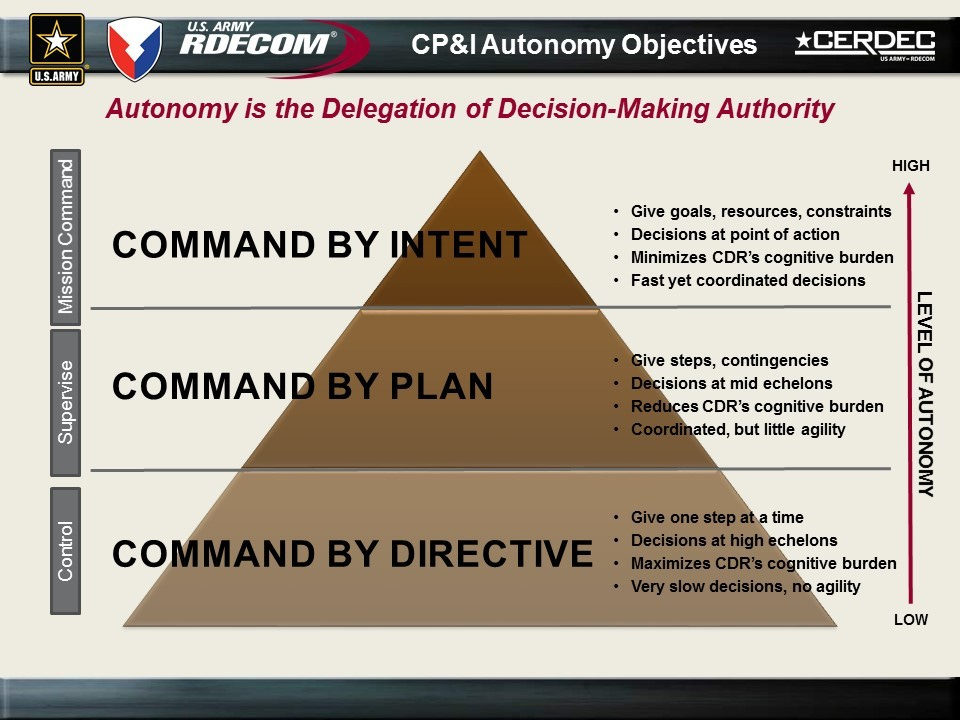
I’ve long advocated for adaptive, decentralized leadership that empowers subordinates to seize initiative, much like the Prussian/German traditions that birthed Auftragstaktik (mission-type tactics). This raid embodies that ethos, contrasting sharply with the rigid, centralized planning failures seen in recent conventional operations.
Generations of War Context
1st Generation (line and column, attrition-based) — Obsolete for this context.
2nd Generation (firepower/attrition, linear) — Echoes in large-scale conventional sieges, but not dominant here.
3rd Generation (maneuver, speed, shock) — The core of this operation: rapid penetration, decisive strikes on centers of gravity (leadership), exploiting surprise and tempo to collapse enemy cohesion.
4th Generation (asymmetric, non-state, blurred lines) — Elements present in the narco-terrorism framing and hybrid threats, but the U.S. applied 3rd/4th hybrid tactics.
5th Generation (information, cyber, perception dominance) — Preceded by months of blockade, strikes on drug assets, and narrative control (designating Maduro’s Cartel of the Suns as terrorists).
The operation fused 3rd Generation maneuver with 5th Generation enablers: overwhelming but precise preparatory strikes to shape the battlespace, followed by a lightning coup de main by elite forces.
Maneuver Warfare and Mission Command Analysis
Open-source reports describe a multi-service, multi-echelon effort: Naval assets (e.g., carrier groups like USS Gerald R. Ford, amphibious ships like USS Iwo Jima) enforced a de facto blockade/siege around Venezuela for months, targeting oil tankers, drug boats, and building pressure. This set conditions by degrading logistics, air defenses, and regime confidence—classic shaping operations in maneuver theory.
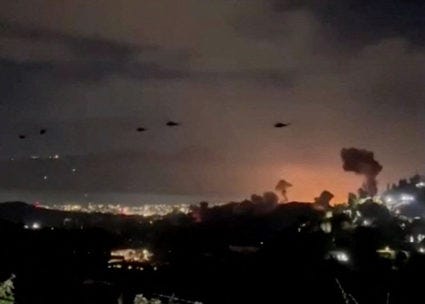
When conditions ripened (intelligence from a long-term CIA source inside Venezuela detailing Maduro’s routines, diet, pets, movements), Tier 1 SOF (Delta Force, supported by 160th SOAR “Night Stalkers”) executed the decisive strike. Over 150 aircraft suppressed air defenses across northern Venezuela and Caracas starting ~2:00 a.m. local time, clearing corridors for helicopter insertions.
Delta operators fast-roped into Maduro’s compound (likely in or near Fuerte Tiuna military base), captured him and his wife Cilia Flores amid resistance (U.S. forces came under fire), and exfiltrated within ~2.5–3 hours (Maduro and Flores flown out by ~3:29–4:29 a.m. ET, arriving in New York later that day).
No U.S. fatalities reported (some minor injuries possible), one helicopter damaged but mission-continued, and the HVTs were flown out via ship/helicopter to New York for charges related to narco-terrorism (indictment from 2020, bounty increased to $50 million in 2025).
This was pure mission command: Decentralized execution with commander’s intent clear (”capture HVTs, minimize U.S. losses, enable rapid exfil”). Subordinate leaders—pilots, assaulters, intel enablers—adapted in real time to terrain they’d never seen, live fire in proximity to insertions, and unexpected resistance. Synchronization was achieved not through rigid matrices but through shared understanding, rehearsals (on mock-ups), and trust in small-unit initiative.
The “small things” mattered: precise timing, overwhelming but targeted violence, and focus on the objective over micromanagement. The op involved Delta Force assaulters, FBI Hostage Rescue Team for formal arrest, 160th SOAR helicopters flying low over water, and air cover from F-22s, F-35s, F/A-18s, EA-18s, B-1s, and RPAs launched from 20 bases.
Compare to Afghanistan’s 2021 withdrawal: A massive, conventional force (BCT/MEU scale) struggled with a “simple” retrograde under political constraints, losing equipment, lives, and prestige.
Centralized MDMP bogged down planning; brigade-level focus on “big things” (moving thousands) masked low OR rates and poor small-unit basics. Here, elite units inverted that: Focus on the little things (individual skills, rehearsals, adaptability) enabled success in a complex, high-risk op.
Doctrine matters—special operations emphasize decentralized planning (quicker than standard MDMP), high training quality, and mission focus over scale. Money helps (SOF budgets), but it’s the adaptive mindset that wins.
The gap isn’t just unit quality; it’s philosophical. Regular forces train for broad, predictable tasks (deploy brigade globally); SOF for narrow, high-stakes ones with uncertainty. This validates decades of investment in Tier 1 units and 160th SOAR. The op’s speed (months prep but <3 hours execution) shows what happens when leaders stay out of the way and let trained professionals execute.
The Hardest Part Now: Post-Operation Transition Recommendations
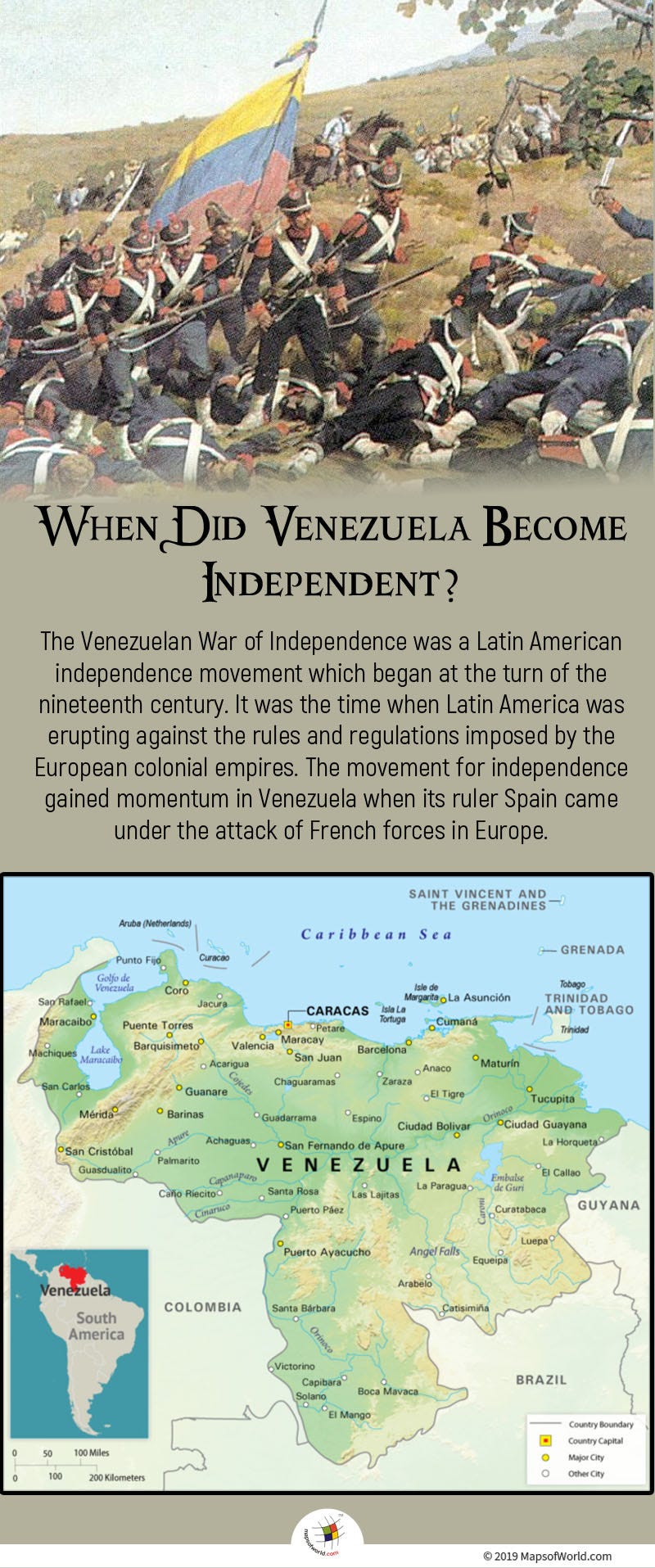
The Trump administration now faces the critical phase: stabilizing and transitioning Venezuela without conventional U.S. boots on the ground. Avoid nation-building quagmires—focus on light footprint, indirect control via mission command principles extended to governance.
Immediate Stabilization (No Large-Scale Occupation): Maintain offshore presence (naval task forces, air assets) as a “stick” for deterrence. Use existing Venezuelan institutions under interim loyalists (e.g., military officers who defect or cooperate post-capture). Avoid deploying conventional units; rely on SOF advisors, intelligence liaison, and private security contractors for key site security (oil fields, ports).
Handover to Legitimate Authority: Recognize María Corina Machado—2025 Nobel Peace Prize winner for her non-violent struggle against dictatorship and promotion of democratic rights—as the moral and symbolic leader. She has international legitimacy, resilience, and a vision for democratic transition. Work through her (and allies like Edmundo González Urrutia, the opposition’s 2024 “winner”) to form an interim government. U.S. role: Diplomatic recognition, sanctions relief tied to reforms, and technical aid (not troops) for elections within 12-18 months.
Economic Leverage Without Troops: Prioritize oil sector revival—U.S. companies partner directly with Venezuelan firms under transparent contracts. Use aid conditionality (IMF/World Bank access) to enforce anti-corruption, privatization, and rule of law. Offshore forces ensure stability without occupation; special operators provide targeted training to reformed Venezuelan security forces.
Risk Mitigation: Monitor for proxy threats (Russia, Iran, Cuba remnants). Empower local forces quickly to avoid power vacuums. Emphasize decentralized governance—regional autonomy to reduce Caracas-centric control and build buy-in.
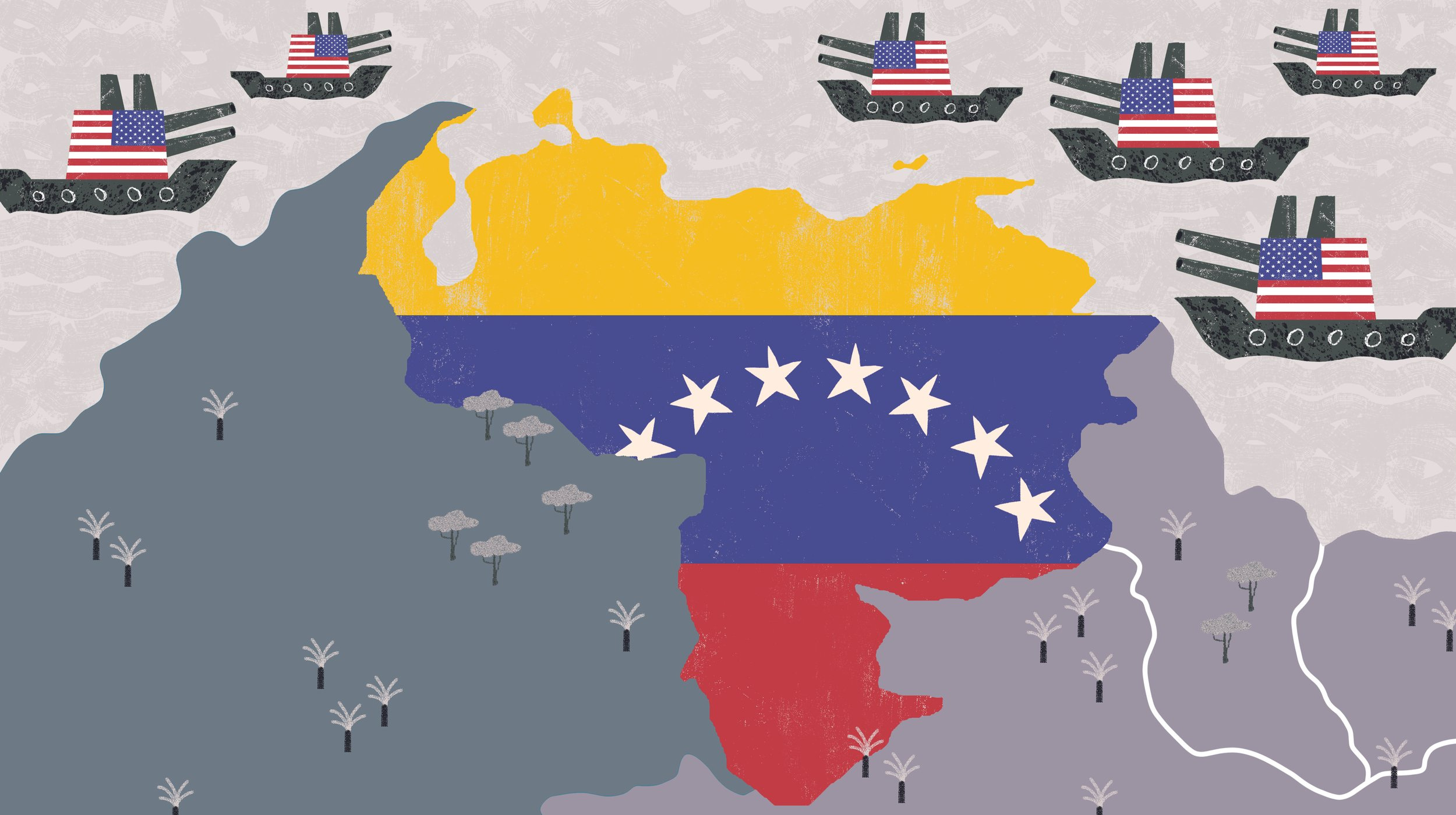
The transition can too—by empowering Venezuelans (led by figures like Machado) and avoiding the hubris of direct control. Stay adaptive, keep it simple, and let mission command guide the handoff to a friendly, democratic government. The “little things” in transition—trust, legitimacy, speed—will determine if this becomes a strategic victory or another lesson in overreach.
Don’t Rest on Laurels: Excellent Operation, but Work Remains
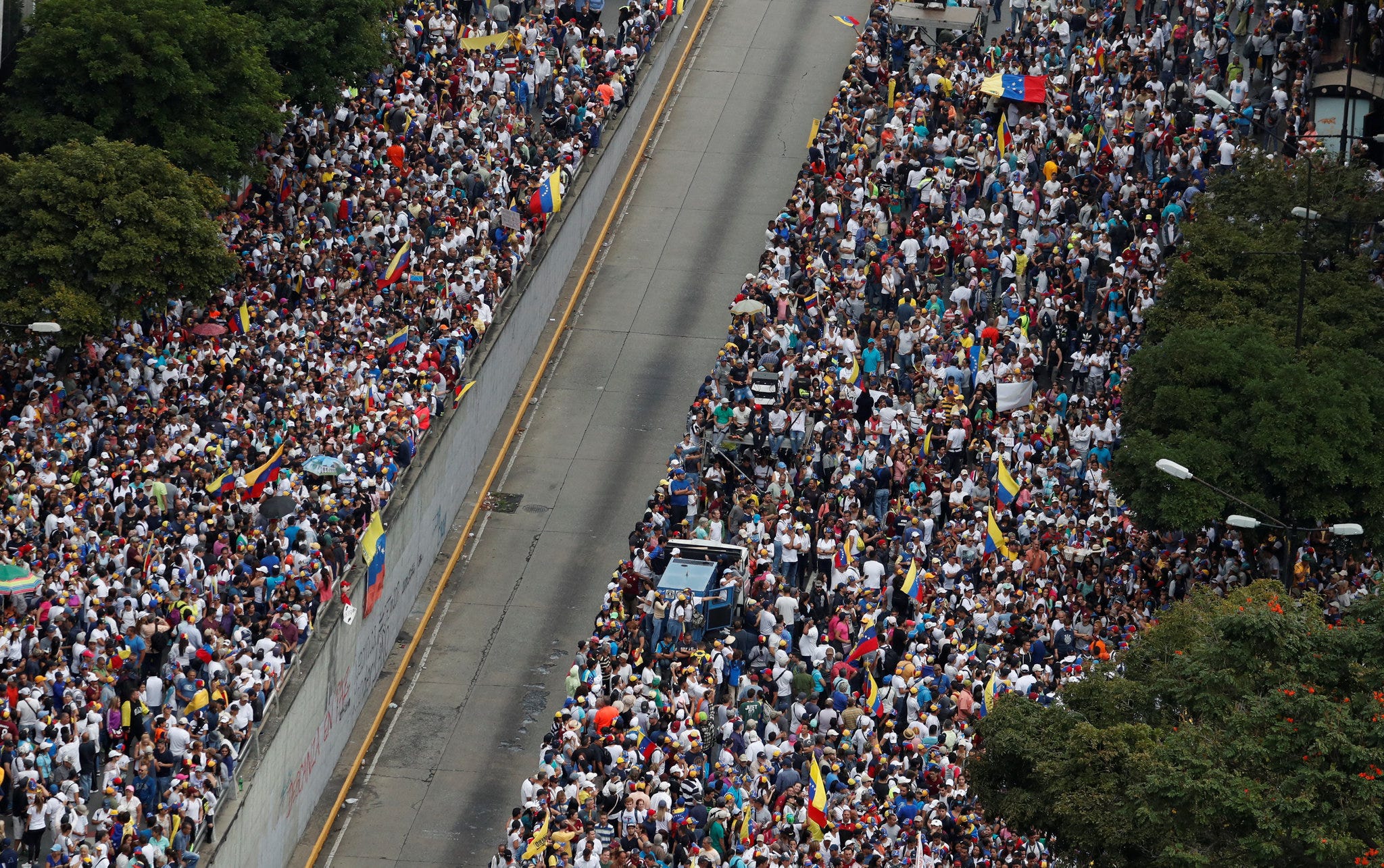
The resounding success of Operation Absolute Resolve in Venezuela on from the early Fall to January 3, 2026, can be attributed to a foundational trust between leaders and their subordinates, coupled with an unwavering focus on decisive points of engagement—hallmarks of mission command that allowed for rapid adaptation and overwhelming precision.
Elite special operations units, such as Delta Force and the 160th Special Operations Aviation Regiment, demonstrated exceptional performance with minimal disruption, largely because they have remained insulated from the corrosive influences of Cultural Marxism and Diversity, Equity, and Inclusion (DEI) policies that proliferated under the Obama and Biden administrations.
These policies, which critics argue prioritize ideological conformity over merit and readiness, have been linked to declining recruitment, relaxed fitness standards, and a shift away from warfighting priorities toward social engineering experiments. For instance, the Obama administration’s 2016 decision to open all combat roles to women without exceptions, and Biden’s emphasis on DEI training programs, have been blamed for diverting resources and fostering division within the ranks.
In contrast, SOF’s rigorous selection and training processes have preserved a culture of excellence, enabling them to execute complex insertions under live fire with no U.S. fatalities reported.
Yet, this victory underscores a stark divide within the U.S. military: while elite forces shine, broader conventional units across land, sea, and air domains require urgent reforms to excise the heavy toll of these ideological encroachments. Testimonies before Congress in 2024 highlighted how Marxist-inspired efforts have sought to subvert military cohesion, promoting race- and sex-based quotas that erode professional standards and readiness.
Books like Irresistible Revolution: Marxism’s Goal of Conquest & the Unmaking of the American Military by former Lt. Col. Matthew Lohmeier (now Under Secretary of the Air Force) detail how such influences have infiltrated training and promotions, leading to a “fatal impact” on operational effectiveness.
The Biden administration’s push for DEI embedded these elements deeply, with federal spending redirected toward programs deemed “illegal and immoral discrimination” by the incoming Trump administration, which swiftly terminated them via executive order on January 20, 2025.
Recent missions exemplify this dynamic. In Venezuela, conventional naval assets like the USS Gerald R. Ford carrier group enforced a months-long blockade, effectively shaping the battlespace by degrading regime logistics and air defenses, while SOF delivered the coup de main to capture Nicolás Maduro.
Similarly, the precision strikes on Iran in June 2025—Operation Midnight Hammer—involved seven B-2 Spirit bombers and over two dozen Tomahawk missiles targeting nuclear facilities at Natanz and Fordow, showcasing elite units’ prowess in a joint effort with Israel to neutralize threats amid escalating regional conflict.
These operations succeeded because conventional forces handled critical supporting roles—isolating adversaries through sieges and strikes—without the full burden of ideological distractions that plagued routine deployments under prior administrations. However, ongoing protests in Iran as of January 2026, with at least 16 deaths and hundreds arrested amid economic turmoil, highlight the need for sustained military readiness free from internal divisions.
To secure future victories and restore America’s military dominance, purging these divisive elements must be a top priority across all ranks. The Trump administration’s early actions, such as dismantling DEI offices and refocusing on merit-based promotions, set a promising course, but deeper reforms are essential—including congressional oversight to root out Cultural Marxist influences that have normalized quotas and weakened standards.
By reinstating a singular focus on professionalism, meritocracy, lethality, adaptability, and unity, the U.S. can ensure that both elite and conventional forces operate at peak efficiency, deterring threats from adversaries like Iran and Venezuela while upholding the traditions that made America great. Failure to act risks filling body bags in future conflicts, as seen in historical missteps like the 1950 Task Force Smith debacle. The path forward is clear: mission over ideology, excellence over equity.
Endnotes
Wikipedia contributors, “2026 United States strikes in Venezuela,” Wikipedia, The Free Encyclopedia, last modified January 4, 2026, https://en.wikipedia.org/wiki/2026_United_States_strikes_in_Venezuela.
Julian E. Barnes, Tyler Pager, and Eric Schmitt, “Inside ‘Operation Absolute Resolve,’ the U.S. Effort to Capture Maduro,” The New York Times, January 3, 2026, https://www.nytimes.com/2026/01/03/us/politics/trump-capture-maduro-venezuela.html.
“What We Know About the U.S. Operation in Venezuela and Maduro’s Capture,” The New York Times, January 3, 2026 (updated January 4, 2026), https://www.nytimes.com/2026/01/03/world/americas/venezuela-maduro-capture-trump.html.
“Trump says U.S. will run Venezuela after U.S. captures Maduro,” Reuters, January 3, 2026, https://www.reuters.com/world/americas/loud-noises-heard-venezuela-capital-southern-area-without-electricity-2026-01-03/.
Lazaro Gamio et al., “See How Maduro’s Capture Unfolded After U.S. Strikes in Venezuela,” The New York Times (interactive), January 3, 2026 (updated January 4, 2026), https://www.nytimes.com/interactive/2026/01/03/world/americas/maduro-capture-venezuela-strikes-maps.html.
“The US has captured Venezuelan leader Maduro. Here’s what to know,” CNN, January 3, 2026, https://www.cnn.com/2026/01/03/americas/venezuela-explosions-intl-hnk.
Norwegian Nobel Committee, “The Nobel Peace Prize 2025,” press release, October 9, 2025, https://www.nobelprize.org/prizes/peace/2025/press-release/.
“Nobel Peace Prize 2025,” NobelPrize.org, accessed January 4, 2026, https://www.nobelprize.org/prizes/peace/2025/machado/facts/.
“Venezuelan opposition leader María Corina Machado releases letter after Maduro’s capture,” CBS News, January 3, 2026, https://www.cbsnews.com/news/venezuela-maria-corina-machado-releases-letter-read-text-maduro-capture/.
“Trump bombs Venezuela, US abducts Maduro: All we know,” Al Jazeera, January 3, 2026 (updated January 4, 2026), https://www.aljazeera.com/news/2026/1/3/trump-bombs-venezuela-us-captures-maduro-all-that-we-know.
“US captures Maduro, carries out ‘large scale strike’ in Venezuela: Trump,” ABC News, January 3, 2026, https://abcnews.go.com/International/explosions-heard-venezuelas-capital-city-caracas/story?id=128861598.
“How U.S. forces captured Venezuelan leader Nicolás Maduro in Caracas,” PBS News, January 3, 2026, https://www.pbs.org/newshour/world/how-u-s-forces-captured-venezuelan-leader-nicolas-maduro-in-caracas.
“How the US captured Venezuelan leader Nicolás Maduro,” AP News, January 3, 2026, https://apnews.com/article/trump-maduro-venezuela-presidential-palace-blowtorches-7969152ae48510003fe9cbde92f3c102.
Photos of the Operation Aftermath and Strikes in Caracas/Venezuela
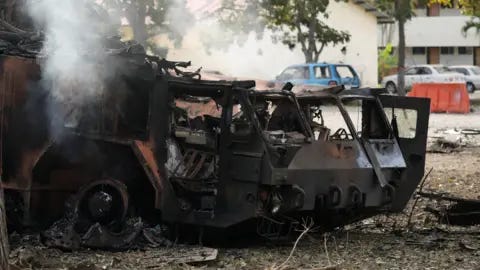
Reuters gallery: Scenes from Venezuela during and after the U.S. capture of Maduro, including destroyed vehicles at La Carlota air base, military debris, and empty streets in Caracas. https://www.reuters.com/pictures/scenes-venezuela-us-forces-captured-maduro-2026-01-03/
AP News photo gallery: Reactions in Venezuela (pro-Maduro supporters, crying crowds) and U.S. (White House rallies), plus damaged sites. https://apnews.com/photo-gallery/venezuela-us-explosions-caracas-25a01a23e7b936b430901428ab0d0907
NPR Picture Show: Aftermath photos of strikes, including fires at Fuerte Tiuna military complex, destroyed containers at La Guaira port, and global reactions. https://www.npr.org/sections/the-picture-show/2026/01/03/g-s1-104359/photos-aftermath-of-strikes-in-venezuela
CNN gallery: Images of damaged vehicles at La Carlota, pro-government patrols in La Guaira, and Trump/Rubio observing the op. https://www.cnn.com/2026/01/03/world/gallery/nicolas-maduro-captured-venezuela
Al Jazeera gallery: Post-strike scenes in Caracas and La Guaira, including police patrols and people lining up amid disruptions. https://www.aljazeera.com/gallery/2026/1/3/photos-aftermath-of-us-air-strikes-in-venezuela
Iconic Photos Related to the Capture (Maduro, Trump Observation)
New York Times: Trump-shared photo of captured Maduro (blindfolded/handcuffed on USS Iwo Jima) and Situation Room-style images of Trump/Rubio watching the raid. https://www.nytimes.com/2026/01/03/world/americas/maduro-photo-trump.html
Reuters: Close-up of Trump’s posted photo of Maduro in custody on the USS Iwo Jima. https://www.reuters.com/business/aerospace-defense/mock-house-cia-source-special-forces-us-operation-capture-maduro-2026-01-03/
Satellite Images and Maps of Strike Locations
New York Times interactive: Detailed maps and timeline of how Maduro’s capture unfolded, including strike locations around Caracas, Fuerte Tiuna, air defense suppression paths, and helicopter insertion routes. https://www.nytimes.com/interactive/2026/01/03/world/americas/maduro-capture-venezuela-strikes-maps.html
CBS News: Before-and-after satellite images (Vantor/Maxar) of damage at Fuerte Tiuna military complex, showing destroyed vehicles, buildings, and overview of the site. https://www.cbsnews.com/news/fuerte-tiuna-satellite-images-after-maduro-captured/
Business Insider: Satellite photos (Vantor) of pre- and post-strike damage at Fuerte Tiuna, including close-ups of impacted military storage and security posts. https://www.businessinsider.com/satellite-images-show-damage-venezuelan-military-sites-after-us-strikes-2026-1
EL PAÍS English: Maps of U.S. attack targets, airspace used, deployed naval fleet positions, and strike zones in Caracas, Miranda, Aragua, and La Guaira. https://english.elpais.com/international/2026-01-03/maps-of-the-us-attack-on-venezuela-targets-airspace-and-deployed-fleet.html
USA Today graphics: Maps and timeline showing where U.S. forces struck, including key sites like Fuerte Tiuna and La Carlota. https://www.usatoday.com/story/graphics/2026/01/03/maps-timeline-us-attacks-venezuela-maduro-captured/88005969007/
Photos of María Corina Machado (Recommended Transition Leader, 2025 Nobel Winner)
Nobel Prize official photo gallery: Portraits and event images of María Corina Machado, including her Nobel lecture delivery and earlier appearances. https://www.nobelprize.org/prizes/peace/2025/machado/photo-gallery/
Nobel Prize facts page: Official prize portrait and related visuals emphasizing her role in democratic struggle. https://www.nobelprize.org/prizes/peace/2025/machado/facts/
Supporting Naval/SOF Visuals (Contextual/Generic)
Newsweek: Satellite images of USS Gerald R. Ford carrier strike group positioned in the Caribbean (pre-operation buildup near Venezuela). https://www.newsweek.com/satellite-us-carrier-strike-group-caribbean-venezuela-maduro-trump-11139184
American Special Ops: Gallery of 160th SOAR (Night Stalkers) helicopters (MH-60 Black Hawks, MH-47 Chinooks) in training/operations, relevant to the insertion/exfil phase. https://www.americanspecialops.com/photos/soar-gallery.php
The US military executed a daring mission with precision, speed, and controlled lethality. That part is done. Now comes the harder fight. Preventing Venezuela from becoming another Iraq will be far more difficult. Controlling Venezuela’s land borders is a daunting task. It is the Ho Chi Minh Trail on steroids. Worse, the timing is politically terrible. Every misstep will be magnified in the midterm election cycle. This has all the makings of Trump’s Dien Bien Phu.
Great write up. I do think you’re gibing a little less emphasis on money and equipment when it comes to some of these units, particularly the 160th. Regular army units train to the same standard (+\- 30 sec TOT) with regular army crews and way less training money and WAY less high speed equipment. You also get an assessment for all the unit members and they obviously want to be in the 160th. For certain best rotor wing unit on earth. But it’s very different than being a Delta Operator.