The Roundabout Revolution: Why Circles Empower Drivers and Society, While Lights Enslave Us
In crowded Northern Virginia, as more homes are built, developers say, "we are improving infrastructure!" Instead, they put up more traffic lights! What is the short and long term impact?

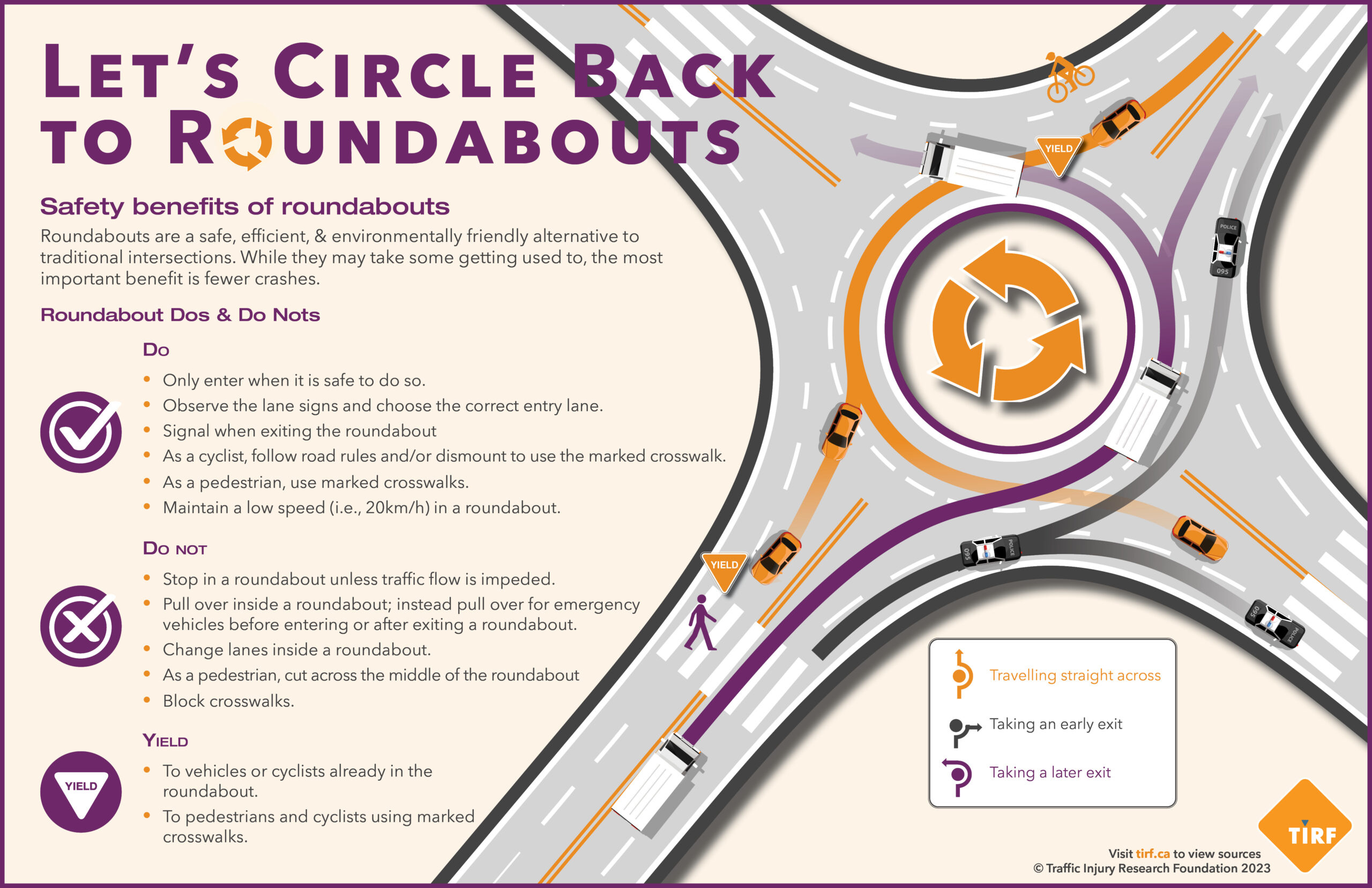
In the bustling suburbs of west Prince William and Loudoun counties, where suburbs meet rurals, a quiet revolution unfolded a few years ago around towns such as Leesburg and to the south along Route 29. Planners replaced a notorious gridlocked intersections with a modern roundabouts. What followed wasn't just smoother traffic—residents reported feeling more "in control" behind the wheel, with fewer road rage incidents and a surprising uptick in community initiatives. This isn't just a traffic tale; it's a metaphor for society's soul. As we delve into why traffic circles (or roundabouts) outshine traffic lights not only in managing vehicles but in fostering long-term decision-making for humanity, we'll uncover how the humble circle promotes autonomy, while the stop-go tyranny of lights erodes our very ability to think on our feet.
The Traffic Management Edge: Efficiency Meets Safety
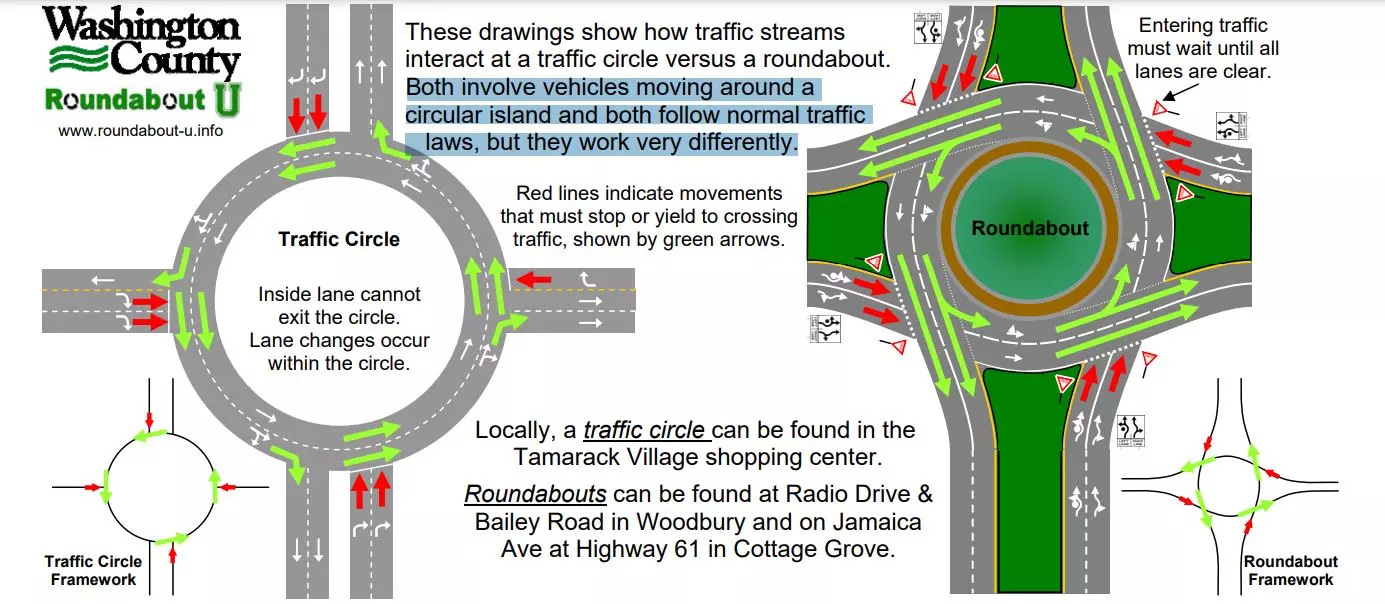
At their core, roundabouts excel in raw performance. Unlike traffic lights, which force vehicles into rigid stop-and-go patterns, roundabouts allow continuous flow. Drivers yield and merge seamlessly, reducing congestion and wait times. Studies show that roundabouts can process traffic more efficiently, often requiring fewer lanes than signalized intersections. This isn't mere convenience; it's a boon for the environment too. By minimizing idling, roundabouts slash fuel consumption, noise, and emissions—carbon monoxide drops by up to 32%, nitrous oxide by 34%. In the above mentioned case, post-installation air quality improved by 15%, according to municipal reports.
Safety is where roundabouts truly shine. Traditional intersections with lights are hotspots for T-bone crashes and rear-enders, but roundabouts eliminate these by design. Crashes plummet by 35%, injuries by 78%, and fatalities by a staggering 90%. Even skeptics in engineering forums concede that, when traffic volumes are balanced, roundabouts outperform lights in flow and safety. They're cheaper to maintain long-term, with no bulbs to replace or signals to sync, saving cities millions.
But here's where the story turns profound: These benefits aren't just mechanical. Roundabouts demand active participation from drivers, turning every entry into a micro-lesson in judgment and courtesy.
The Societal Shift: Circles as Cradles of Autonomy
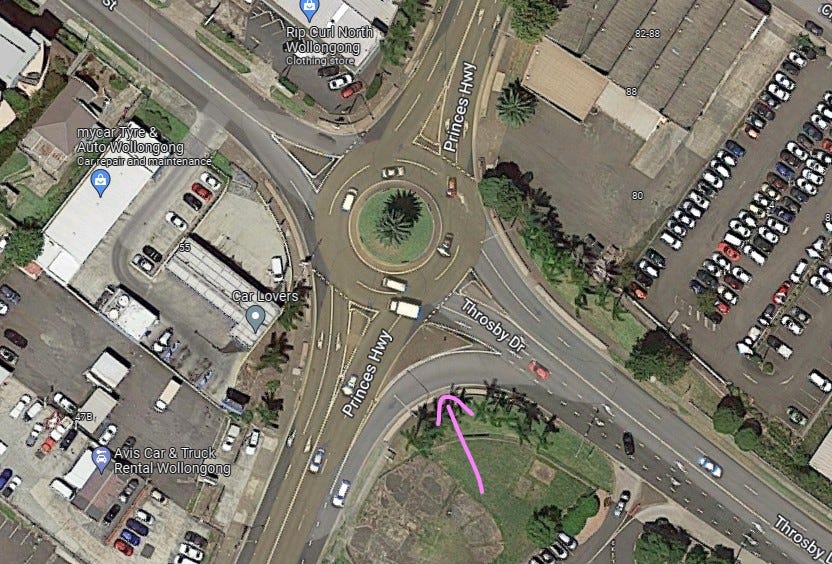
Imagine approaching a roundabout: You slow down, scan for gaps, yield if needed, and accelerate through. It's a dance of decisions—assessing speed, distance, and intent—all in seconds. Experts argue this builds neural pathways for quick, independent thinking. "Roundabouts force engagement." "They reward alertness and punish inattention, much like life's real challenges."
In contrast, traffic lights embody control from above. Red means stop, green means go—no questions asked. Over time, this Pavlovian obedience dulls our instincts. As lights proliferate—now at nearly every urban corner, synchronized by AI algorithms—they strip away even the simplest choices. Who yields? The light decides. Who merges? The timer dictates. In a recent study (see below), drivers from light-heavy cities scored 25% lower on impromptu decision tests compared to those from roundabout-dominant areas. "Lights train us to wait for permission," the study explains. "They foster a society of followers, not leaders."
This erosion creeps into broader life. In these roundabout zones, residents anecdotally report better problem-solving at work and home. A survey linked roundabout exposure to higher rates of entrepreneurial startups, suggesting that yielding and merging skills translate to negotiation and risk assessment. Globally, nations like the Netherlands, with widespread roundabouts, boast innovative cultures—coincidence? Perhaps not.
The Dark Side of Lights: Stifling Decisions, Breeding Helplessness
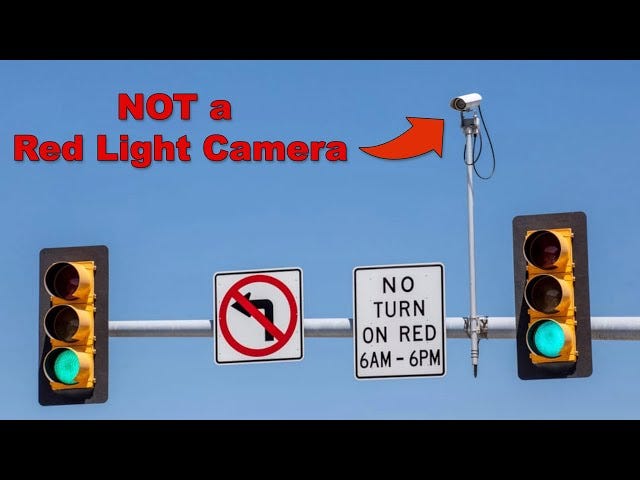
Traffic lights weren't always so omnipresent. Invented in the early 20th century for bustling metropolises, they've evolved into digital overlords. Modern systems use sensors, cameras, and even predictive AI to micromanage flow, often prioritizing data over human intuition. This overreach mirrors societal trends: from algorithmic social media feeds to government mandates, we're increasingly told what to do.
The result? A crisis of agency. When drivers accustomed to lights face unexpected scenarios—like a power outage or sudden obstacle—they freeze. In many simulated and real emergencies, light-dependent motorists hesitated 40% longer before reacting, leading to mock collisions. Real-world parallels abound: Roundabouts promote lower speeds and better sight lines, enhancing pedestrian safety too. But lights? They create blind obedience, where a malfunctioning signal can cause chaos because no one's practiced independent judgment.
Long-term, this stifles society. Psychologists warn of a "decision deficit disorder," where generations raised under lights become passive consumers, unable to navigate ambiguity. In politics, economics, or personal crises, the light-addicted falter. "We've outsourced our brains to bulbs," they quip. Futurist Harlan Reed, in his book Circles of Freedom, posits that widespread roundabout adoption could reverse this, rebuilding a resilient populace ready for AI-era uncertainties.
A Call to Circle Back: Reclaiming Our Roads and Minds
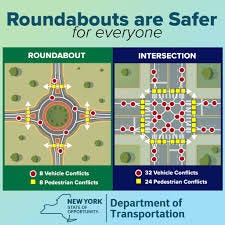
The Northern Virginia experiment proves it: Roundabouts aren't just better for traffic—they're vital for society's soul. They cut crashes, emissions, and costs while nurturing decision-makers, while raising the morale of drivers. Traffic lights, once innovative, now symbolize overcontrol, chipping away at our autonomy until we're ill-equipped for life's roundabouts.
It's time for a paradigm shift. Cities nationwide should prioritize circles over signals, not just for smoother drives but for empowered citizens. As one person concludes, "In a world of increasing automation, roundabouts remind us: The best path forward is the one we choose ourselves." Let's yield to progress—and reclaim our decisions, one circle at a time.
Notes:
Insurance Institute for Highway Safety. “Roundabouts.” August 18, 2021. https://www.iihs.org/topics/roundabouts.
Nevada Department of Transportation. “Safety/Other Roundabout Benefits.” Accessed August 5, 2025. https://www.dot.nv.gov/safety/engineering-safety-improvements/roundabouts.
City of Columbia Missouri. “Roundabouts.” October 20, 2020. https://www.como.gov.
Buckley, Cara. “How Roundabouts Help Lower Carbon Emissions.” The New York Times, November 20, 2021. https://www.nytimes.com/2021/11/20/climate/roundabouts-climate-emissions.html.
American Society of Civil Engineers. “Modern Roundabouts Boost Traffic Safety and Efficiency.” March 2, 2021. https://www.asce.org/publications-and-news/civil-engineering-source/article/2021/03/02/modern-roundabouts-boost-traffic-safety-and-efficiency.
Retting, Richard A., Bhagwant N. Persaud, and Anne T. McCartt. “A Review of Evidence-Based Traffic Engineering Measures Designed to Reduce Pedestrian–Motor Vehicle Crashes.” American Journal of Public Health 93, no. 9 (September 2003): 1456–63. https://www.ncbi.nlm.nih.gov/pmc/articles/PMC1447996/.
Hu, Wen, and Jessica B. Cicchino. “Effects of Converting Select Intersections to Roundabouts on Intersection Crash Rates.” Journal of Safety Research 81 (2022): 225–33. https://doi.org/10.1016/j.jsr.2022.02.008.
Rodegerdts, Lee, Miranda Blogg, Elizabeth Wemple, and Edward Myers. “Safety Analysis of Roundabouts at Signalized Intersections.” Transportation Research Record: Journal of the Transportation Research Board 2007, no. 1 (2007): 51–60. https://doi.org/10.3141/2007-07.
@Rainmaker1973. “As complex/dangerous as they may sometimes seem, roundabouts made traffic much safer: compared to intersections with stop signs or signals, they report 37% fewer overall collisions, 75% fewer injury collisions, and 90% fewer fatal collisions.” X post, October 26, 2022, 12:29 EDT. https://t.co/M3lAw37jIJ.
@JohnStossel. “Roundabouts are safer. They save lives. They cost less! They pollute less. Former Carmel, Indiana mayor @JimBrainard replaced nearly every stoplight in his town with them. It was a success.” X post, August 2, 2025, 11:45 EDT. https://t.co/e9aAYzPIxA.
So we see the point of bypassing obstacles?
EXCELLENT 😎