Reviving the Professional Military Debate: A Call for Open Discourse in the U.S. Military
In the 1980s and 1990s, the Marine Corps Gazette became a vibrant forum for intellectual rigor and professional debate, led by figures like General Al Gray, the 29th Commandant of the Marine Corps.

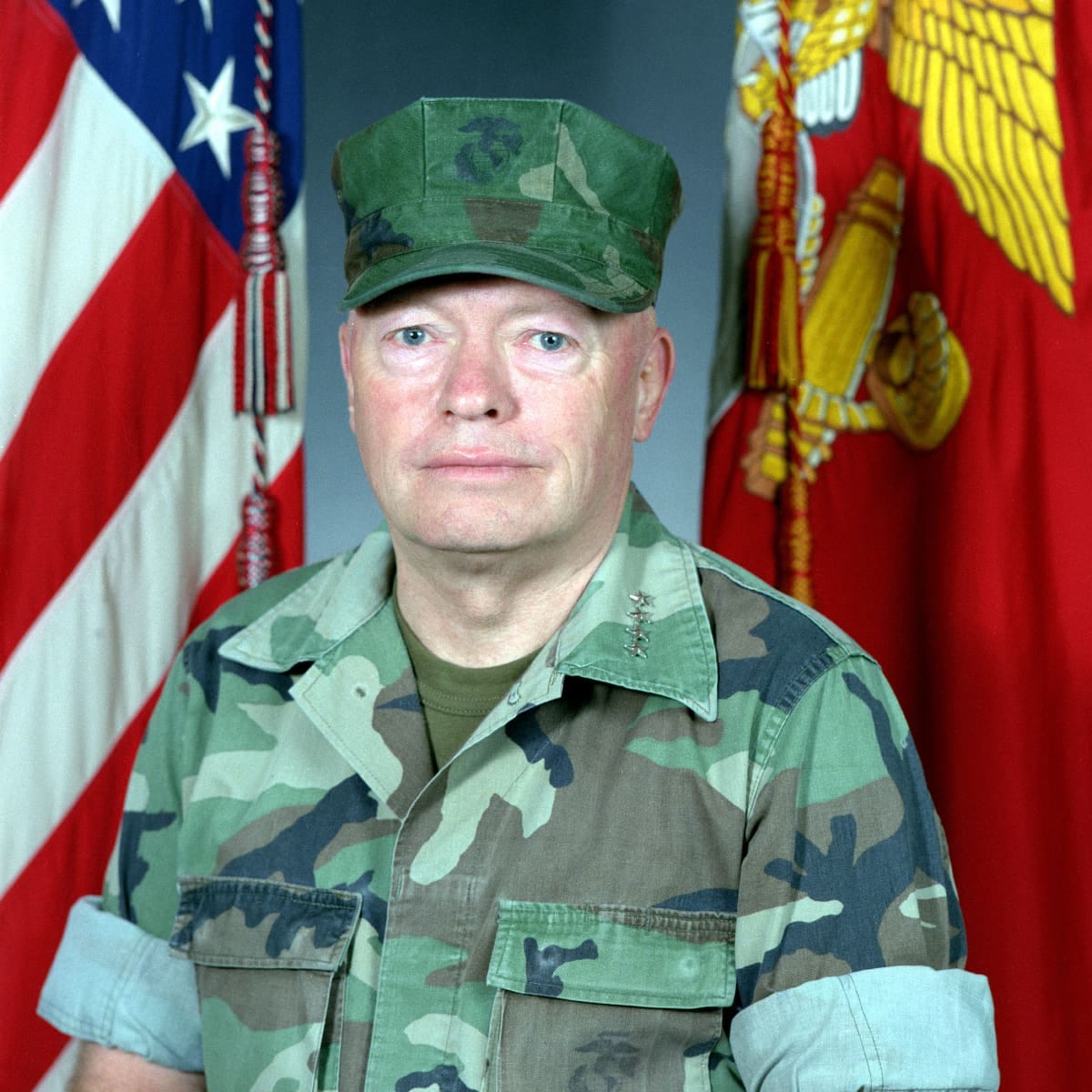
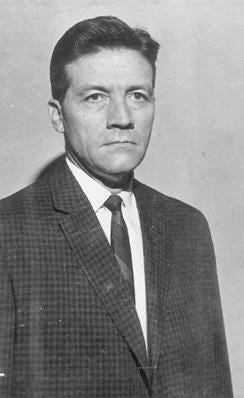
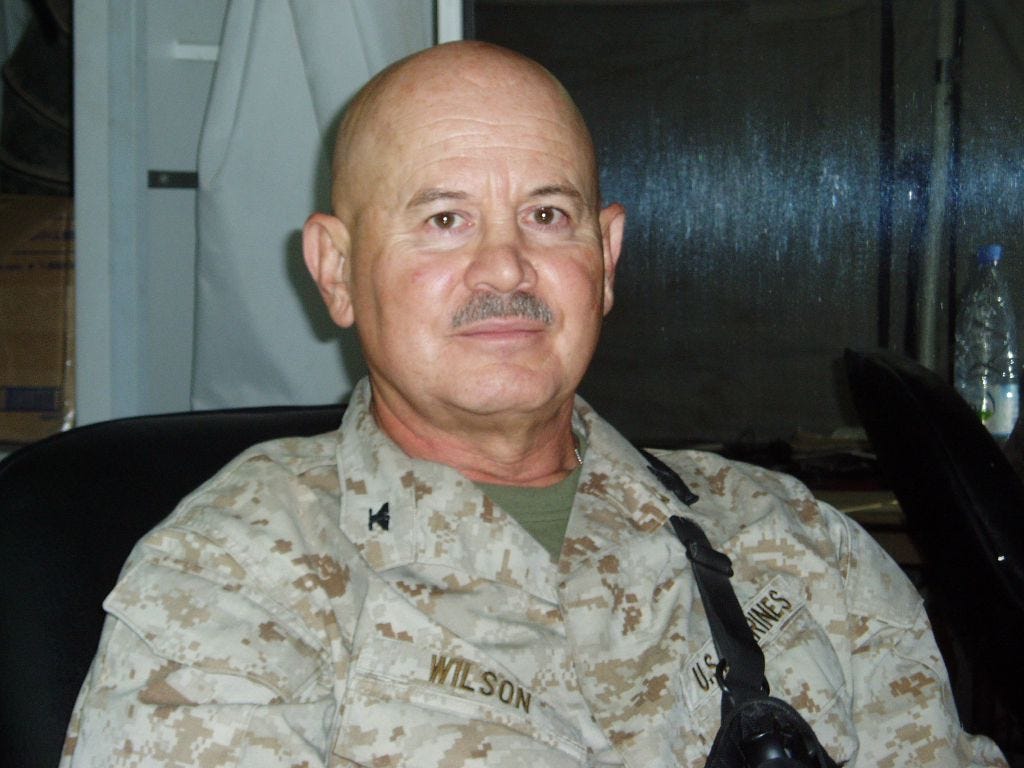
In the 1980s and 1990s, the Marine Corps Gazette became a vibrant forum for intellectual rigor and professional debate, led by figures like General Al Gray, the 29th Commandant of the Marine Corps, and reformers such as Colonel John Boyd, William S. Lind, Colonel Mike Wyly, Dr. (then Captain and Major) Bruce I Gudmundsson, (then Captain) John Schmitt and Colonel (then Captain) G.I. Wilson. This era of open discourse challenged entrenched military thinking, fostering innovation and shaping concepts like maneuver warfare.
Today, as the U.S. military faces complex global threats, the need to revive this culture of fearless, professional debate—free from retribution and open to all ranks and backgrounds—is more urgent than ever. Secretary of Defense Pete Hegseth, alongside Service Secretaries and Service Chiefs, should champion this revival, encouraging well-researched, fact-based arguments, even when they critique established culture or approved solutions.
The Legacy of the 1980s and 1990s Debate
During General Al Gray’s tenure as Commandant (1987–1991), the Marine Corps embraced a culture of intellectual openness. Gray encouraged professionals, regardless of rank, to engage in rigorous debate through the Marine Corps Gazette, a platform where ideas were tested, refined, and implemented. Reformers like John Boyd, a maverick Air Force colonel and theorist behind the OODA (Observe, Orient, Decide, Act) loop, challenged conventional attrition-based warfare. William S. Lind, a civilian scholar, introduced concepts of the generations of warfare to include fourth-generation warfare, emphasizing adaptability against non-state actors. G.I. Wilson, a Marine officer, contributed to discussions on irregular warfare and organizational agility. Gudmundsson and Schmitt introduced new ways of learning and decision making that would impact the doctrine of Maneuver Warfare. Mike Wyly revolutionized the way Marines learned, combining most of what Bruce and John introduced, as well as Bill Lind. For this Mike Wyly was retired early and literally thrown out of his office.
This era produced transformative outcomes. The Marine Corps adopted maneuver warfare as its doctrinal cornerstone, emphasizing speed, flexibility, and decentralized decision-making. Concepts debated in the Gazette influenced publications like FMFM-1 Warfighting (1989), which remains a guiding text. The willingness to question sacred cows—such as rigid hierarchies or reliance on heavy firepower—enabled the Marine Corps to adapt to emerging threats. However, this culture of open debate has since waned, stifled by bureaucratic inertia and risk-averse leadership.
Why Open Debate Must Return
Adapting to a Complex Threat Environment: Today’s global security landscape—marked by great power competition, cyber warfare, artificial intelligence, and hybrid threats—demands intellectual agility. China’s advances in hypersonic weapons, Russia’s information warfare, and non-state actors’ use of drones and asymmetric tactics require the U.S. military to innovate rapidly. A culture that suppresses dissent or punishes unorthodox ideas risks stagnation. The 1980s debates showed that transformative ideas often come from outsiders or junior ranks, like Boyd, a colonel, or Lind, a civilian. Encouraging professionals to challenge assumptions, as Gray did, ensures the military remains ahead of adversaries.
Breaking Bureaucratic Resistance: Military bureaucracies often prioritize conformity over innovation. Approved solutions, such as multi-billion-dollar weapons programs or outdated training paradigms, become entrenched, even when evidence suggests alternatives. The F-35 program, for instance, has faced criticism for cost overruns and capability gaps, yet open debate about its strategic value is often discouraged. A revived professional debate would allow officers, enlisted personnel, and civilians to question such decisions without fear of career-ending retribution, fostering accountability and cost-effective solutions.
Empowering All Ranks and Backgrounds: The strength of the 1980s and 1990s debates lay in their inclusivity. Ideas were judged on merit, not rank or status. A junior officer’s article in the Gazette could spark doctrinal shifts, as seen with contributions from captains and lieutenants. Today, the military must tap into the diverse perspectives of its personnel—enlisted, officer, and civilian—across all backgrounds. A culture that welcomes well-researched critiques, regardless of the source, harnesses the collective intellect of the force.
Countering Cultural Complacency: Military culture can foster complacency, where traditions or “the way things are done” override critical thinking. The 1980s reformers challenged this by questioning attrition warfare and advocating for maneuver-based tactics. Today, cultural issues—such as resistance to integrating emerging technologies, the negative impact of Cultural Marxism or addressing mental health in the ranks—require similar scrutiny. Secretary Hegseth and Service Chiefs should encourage debates that critique cultural norms, ensuring the military evolves to meet modern challenges.
The Role of Leadership
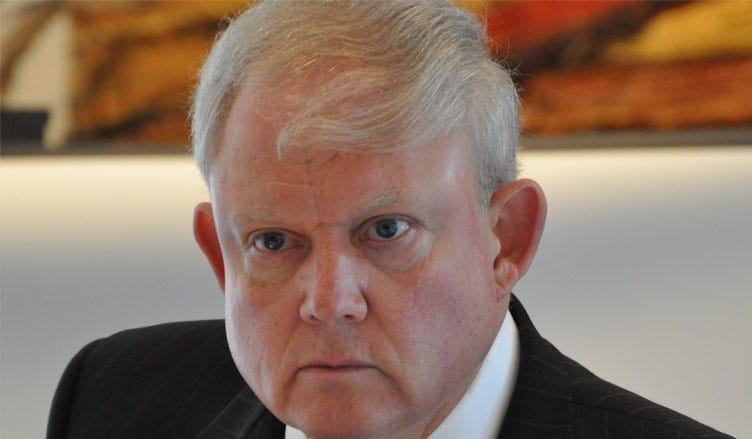
Secretary of Defense Pete Hegseth, a combat veteran with a reputation for challenging establishment thinking, is uniquely positioned to lead this revival. By publicly endorsing open debate and protecting those who engage in it, he can set the tone for the Department of Defense. Service Secretaries and Chiefs must follow suit, fostering environments where professional, fact-based arguments are rewarded, not punished. This includes:
Protecting Dissenters: Establish policies ensuring that personnel who publish well-founded critiques face no career repercussions, even if their views challenge senior leadership.
Revitalizing Professional Journals: Reinvest in platforms like the Marine Corps Gazette, Army’s Parameters, and Navy’s Proceedings as forums for rigorous debate, encouraging submissions from all ranks.
Encouraging Fact-Based Discourse: Emphasize that arguments must be grounded in research, data, and historical analysis, maintaining professionalism while allowing bold ideas.
Leading by Example: Senior leaders should engage in these debates themselves, publishing articles or responding to critiques, as General Gray did, to demonstrate commitment.
Addressing Potential Concerns
Critics may argue that unrestricted debate risks undermining authority or creating chaos. However, the 1980s model shows that disciplined, professional discourse strengthens, not weakens, the institution. By setting clear standards—arguments must be respectful, evidence-based, and aligned with national security goals—leaders can ensure debates remain constructive. Others may worry about leaks or sensitive information. Robust editorial processes, as used by the Gazette, can safeguard classified material while allowing open discussion of strategy, culture, and doctrine.

A Path Forward
To revive the professional debate, the Department of Defense should take concrete steps:
Issue a Directive: Secretary Hegseth should issue a DoD-wide directive encouraging open, professional debate and protecting participants from retribution.
Fund Professional Forums: Allocate resources to military journals and online platforms to expand their reach and accessibility.
Host Symposia: Organize annual symposia where personnel present innovative ideas, modeled on the Marine Corps’ 1980s wargaming sessions.
Integrate Debate into Training: Incorporate critical thinking and debate into professional military education, rewarding students who challenge conventional wisdom with evidence.
Conclusion
The professional debate led by General Al Gray and reformers like Boyd, Lind, Wyly, Gudmundsson and Schmitt and Wilson helped evolve the Marine Corps, even if it was temporary, proving that open discourse drives innovation. As the U.S. military navigates an era of unprecedented challenges, reviving this culture is essential. Secretary Hegseth, Service Secretaries, and Service Chiefs must champion a military where professionals—regardless of rank or background—can debate freely, critique boldly, and innovate fearlessly. Only through such a revival can the U.S. military remain the world’s preeminent fighting force.
Notes:
In numerous discussions with William S. Lind, Bruce Gudmundsson, Wyly and GI Wilson (as well as many of Boyd’s acylotes), as well as my two interviews with General Al Gray (retired), the focus on reform was on doctrine; but all admit that the foundation of the Marine Corps, its Industrial age Manpower system should have been changed first. They thought if they change the doctrine, everything else would fall in line, when in fact, it is the personnel or manpower system that drives the culture with its rewards, punishments through how it promotes, selects, awards the right jobs, etc... If it remains the same, nothing else will change or changes will only be temporary.
As of this date, both William S. Lind and I are barred from speaking at any USMC Training and Education Command (TECOM) course or school due our writings in the New Maneuver Warfare Handbook (Petersburg, VA: Special Tactics, 2023). The comments focused on the Marine Corps’ out of date learning system.
Dr. Bruce I Gudmundsson continues to impact Marine Corps, and how the service learns with his Force Case Method learning methodology. Yet, despite being the founder of the Marine Corps School of Advanced Warfare or SAW in 1989, he has been ignored by the Marine Corps University establishment because he refuses to confirm to their Industrial age and Cultural Marxism influences of the past decade. I consider Bruce one of the foremost military historian in the world with degrees and advanced degrees from Yale, Glasgow University and Oxford.
Bowdren, Stephen J. “Equipping Marines Better and Faster: A Proactive Approach.” Marine Corps Gazette 109, no. 2 (February 2025): 12–18. https://www.mca-marines.org/gazette/2025/02/equipping-marines-better-and-faster/.
Christy, Howard A. “Patrolling Hill 55: Hard Lessons in Retrospect.” Marine Corps Gazette 78, no. 4 (April 1994): 76–80.
Greenwood, Thomas C., and Frank G. Hoffman. “A New Application of Boyd’s Model.” Marine Corps Gazette 109, no. 2 (February 2025): 24–30. https://www.mca-marines.org/gazette/2025/02/a-new-application-of-boyds-model/.
Lind, William S. “Misconceptions of Maneuver Warfare.” Marine Corps Gazette 72, no. 1 (January 1988): 34–37.
Lind, William S. “Why the German Example?” Marine Corps Gazette 66, no. 6 (June 1982): 59–64.
Scharfen, John C. “U.S. Marine Corps in 1987.” Proceedings 114, no. 5 (May 1988): 36–44. https://www.usni.org/magazines/proceedings/1988/may/u-s-marine-corps-1987.
Schmitt, John F. “Understanding Maneuver as the Basis for a Doctrine.” Marine Corps Gazette 74, no. 8 (August 1990): 90–94.
Terriff, Terry. “Warriors and Innovators: Military Change and Organizational Culture in the US Marine Corps.” Defence Studies 6, no. 2 (2006): 215–47. https://doi.org/10.1080/14702430601056179.
Van Riper, Paul K. “The Relevance of History to the Military Profession: An American Marine’s View.” In The Past as Prologue: The Importance of History to the Military Profession, edited by Williamson Murray and Richard Hart Sinnreich, 49–51. New York: Cambridge University Press, 2006.
Wyly, Michael D. “Marine Corps University Established at Quantico.” Marine Corps Gazette 73, no. 10 (October 1989): 11–14.
This is stellar, Don.
Don, this is a timely read. I very much appreciate note 1, about how doctrine does not change personnel management, it’s the other way around.