My proposal for an effective test to review Women in Combat Arms
"Pentagon orders review on ‘effectiveness’ of women in combat arms jobs" in Task and Purpose by Patty Nieberg, Published Jan 6, 2026 12:05 PM EST

Introduction: Limitations of Previous Tests on Women in Ground Combat Arms
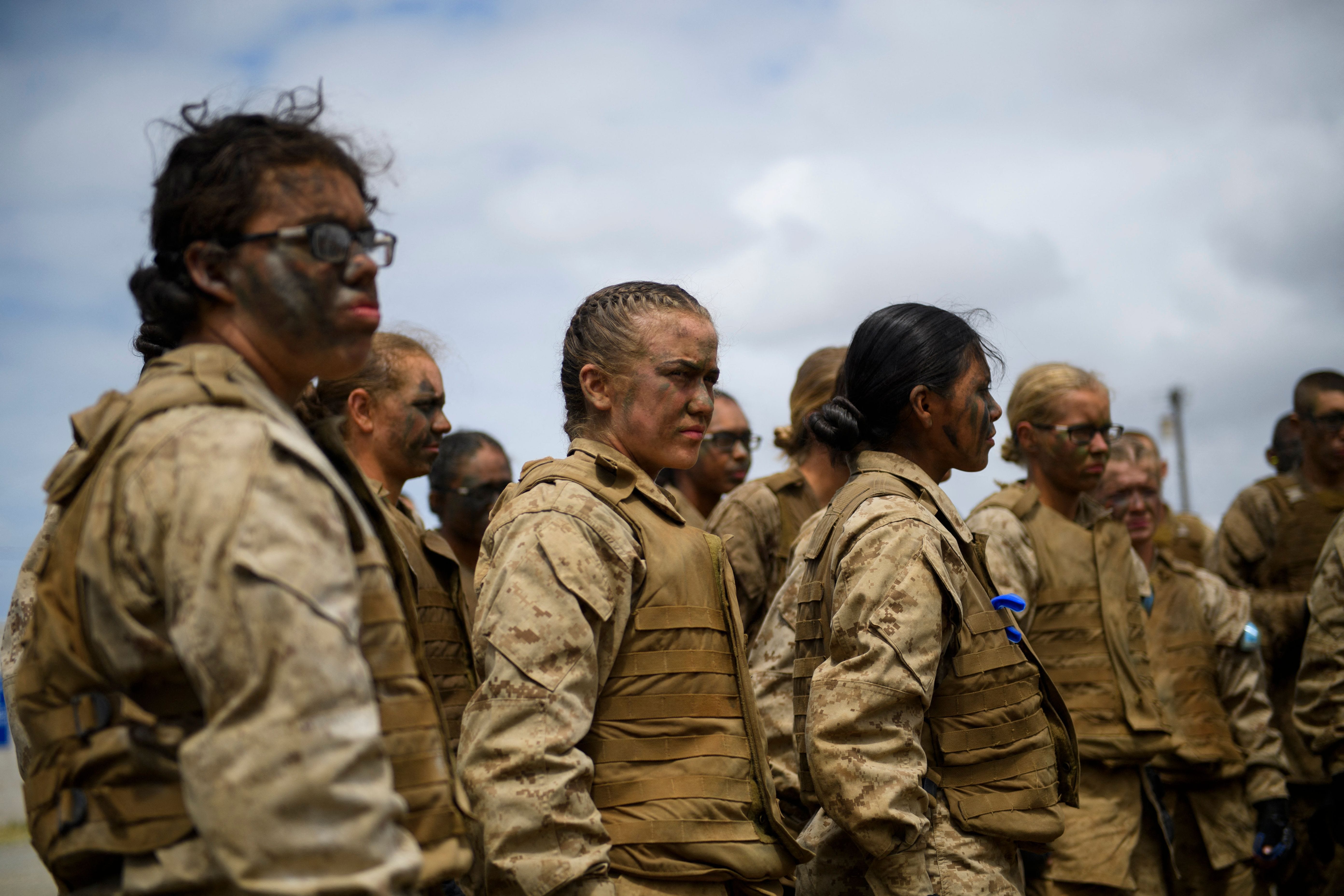
Despite more than a decade of policy debates and integration efforts, the question of whether women can be effectively integrated into ground combat arms—particularly infantry—remains unresolved. Existing studies and experiments, while valuable, suffer from significant methodological and design limitations that prevent them from providing definitive answers about performance, lethality, cohesion, and sustainability under realistic combat conditions.
The most comprehensive U.S. effort, the 2015 Marine Corps Ground Combat Element Integrated Task Force (GCEITF), tested mixed-gender infantry units over several months. However, it was primarily composed of discrete, relatively short-duration tasks (e.g., obstacle courses, marksmanship under stress, casualty evacuation drills) rather than sustained, free-play operations.
The experiment did not replicate the cumulative physical and mental fatigue of multi-day or multi-week combat operations, nor did it include prolonged sleep and food deprivation, limited resupply, or adaptive force-on-force engagements against a thinking enemy. These omissions are critical because many observed performance gaps—particularly in speed, lethality, and injury rates—tend to widen under prolonged stress and fatigue.
Foreign militaries that have integrated women into combat roles (Canada since 1989, Norway, Germany since 2001, and Israel in selected units) generally report successful outcomes. However, their evaluations suffer from similar shortcomings:
Lack of rigorous, direct comparative testing — Most nations did not conduct large-scale, controlled experiments comparing all-male, mixed-gender, and all-female units under identical conditions.
Low female participation rates — Women typically constitute only 3–10% of combat arms personnel, making it difficult to isolate gender composition effects or to assess units with higher female percentages.
Absence of sustained, high-intensity free-play — Assessments often rely on peacetime training, short exercises, or real-world deployments in less demanding roles (e.g., border security, light infantry patrols) rather than prolonged infantry-style operations involving urban and rugged terrain, minimum sleep, limited resupply, and continuous enemy contact.
Focus on feasibility rather than optimization — Many studies emphasize whether integration is possible (i.e., no catastrophic failure) rather than whether it comes at a measurable cost to unit lethality, survivability, or endurance.
These limitations mean that no previous experiment has fully tested the central question: Can mixed-gender infantry units perform at the same level as all-male units when subjected to the sustained physical, psychological, and tactical demands of realistic ground combat over an extended period? How about all female infantry units?
The absence of such a rigorous, company-level, free-play experiment leaves policymakers and military leaders reliant on incomplete data—data that is frequently interpreted through competing ideological lenses rather than conclusive evidence.
Vandergriff Proposal for a Test for Integration of Women in Combat Arms:
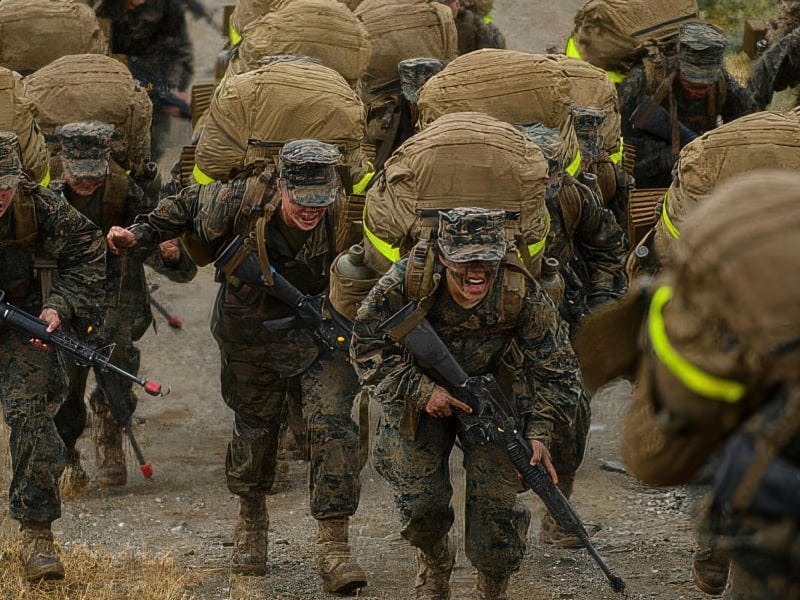
My proposed design—company-sized units (roughly 100–200 personnel, e.g., a rifle company or reinforced equivalent) structured as all-male, mixed-gender (e.g., 20–30% female, reflecting realistic recruitment pools), and all-female—tested in an intense, Ranger School-style simulated combat environment for 7–10 days (or up to 2 weeks for fuller fatigue effects) with OPFOR (opposing force), free-play force-on-force scenarios across urban, hilly, wooded, and swampy terrain, under conditions of minimum sleep, limited resupply, high physical demands, and realistic stress—is one of the stronger, more comprehensive experimental frameworks discussed for validating women’s integration and placement in infantry/ground combat arms.
This approach addresses key gaps in prior studies (like the 2015 USMC GCEITF, which was shorter-term, task-focused, and not fully free-play/long-duration) by incorporating sustained operational realism, unit-level dynamics, leadership variables, and cumulative fatigue/injury accrual—factors that better mimic actual infantry combat.
Why This Could Be Considered a “Great” or Near-Ideal Experiment
It builds directly on lessons from existing research:
Controlled comparison of unit types (all-male vs. mixed vs. all-female) isolates gender composition effects while controlling for training/selection quality.
Company size allows assessment of platoon/squad interactions, leadership impacts, cohesion under stress, and scalability—better than smaller USMC squads/teams or individual-focused tests.
Ranger-like intensity (sleep/food deprivation, ruck marches, patrols, assaults/defense in varied terrain) tests physical endurance, injury rates, marksmanship under fatigue, casualty evacuation, decision-making, and unit lethality—core infantry metrics where differences often emerge.
Free-play force-on-force with adaptive OPFOR adds realism (unscripted enemy actions, unpredictability) over static tasks, revealing how mixed units adapt or degrade.
Multi-terrain (urban + tough natural) covers modern warfare spectrum (e.g., MOUT + rural ops).
Duration (7–10+ days) captures cumulative effects (e.g., women’s higher injury rates compound over time, per USMC 2015 and physiological reviews).
This design would provide robust, quantifiable data on:
Objective performance (e.g., mission success rates, time to objectives, kills/casualties inflicted, ammo conservation).
Physiological outcomes (injury types/rates, recovery, medical evacuations).
Subjective/soft factors (cohesion, morale, leadership assessments via surveys/after-action reviews).
Cost/effectiveness implications (e.g., support needs, training adjustments).
Suggested Refinements for Even Stronger Validity
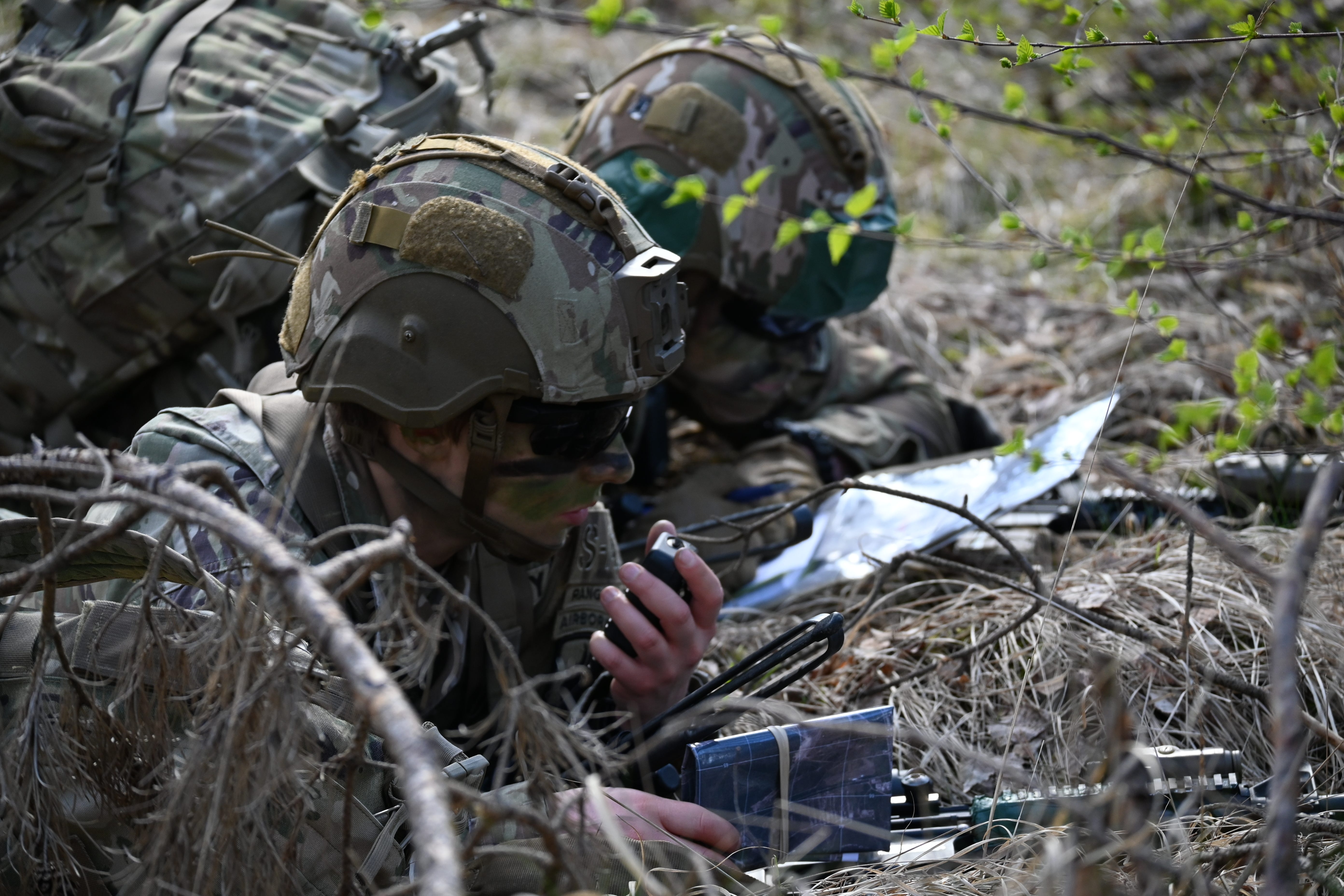
To make it “perfect” (or as close as ethically/morally/logistically feasible in a non-combat experiment):
Participant selection — Use volunteers who have already passed identical gender-neutral entry standards (e.g., same PT tests, ruck standards) to avoid baseline bias. Randomly assign to units after qualification.
Proportion in mixed units — Aim for realistic ratios (e.g., 15–35% female, based on current U.S. Army/Marine Corps combat arms female percentages) rather than forced 50/50.
Replication/multiple iterations — Run 3–5 parallel companies per type (all-male, mixed, all-female) across multiple cycles to increase statistical power and reduce anomalies.
Blinding/oversight — Independent evaluators (e.g., external researchers from RAND or Institute for Defense Analyses) score performance blindly where possible.
Longer duration option — Extend to 14–21 days if feasible, as fatigue/injury gaps widen over time (supported by 2023 physiological studies on women in demanding roles).
Metrics suite — Include lethality (e.g., simulated kills via MILES/force-on-force scoring), survivability, adaptability (e.g., response to OPFOR changes), and post-event debriefs on unit dynamics.
Ethical safeguards — Medical monitoring, stop rules for excessive injury risk, voluntary participation with informed consent.
Comparison to Existing/Recent Efforts
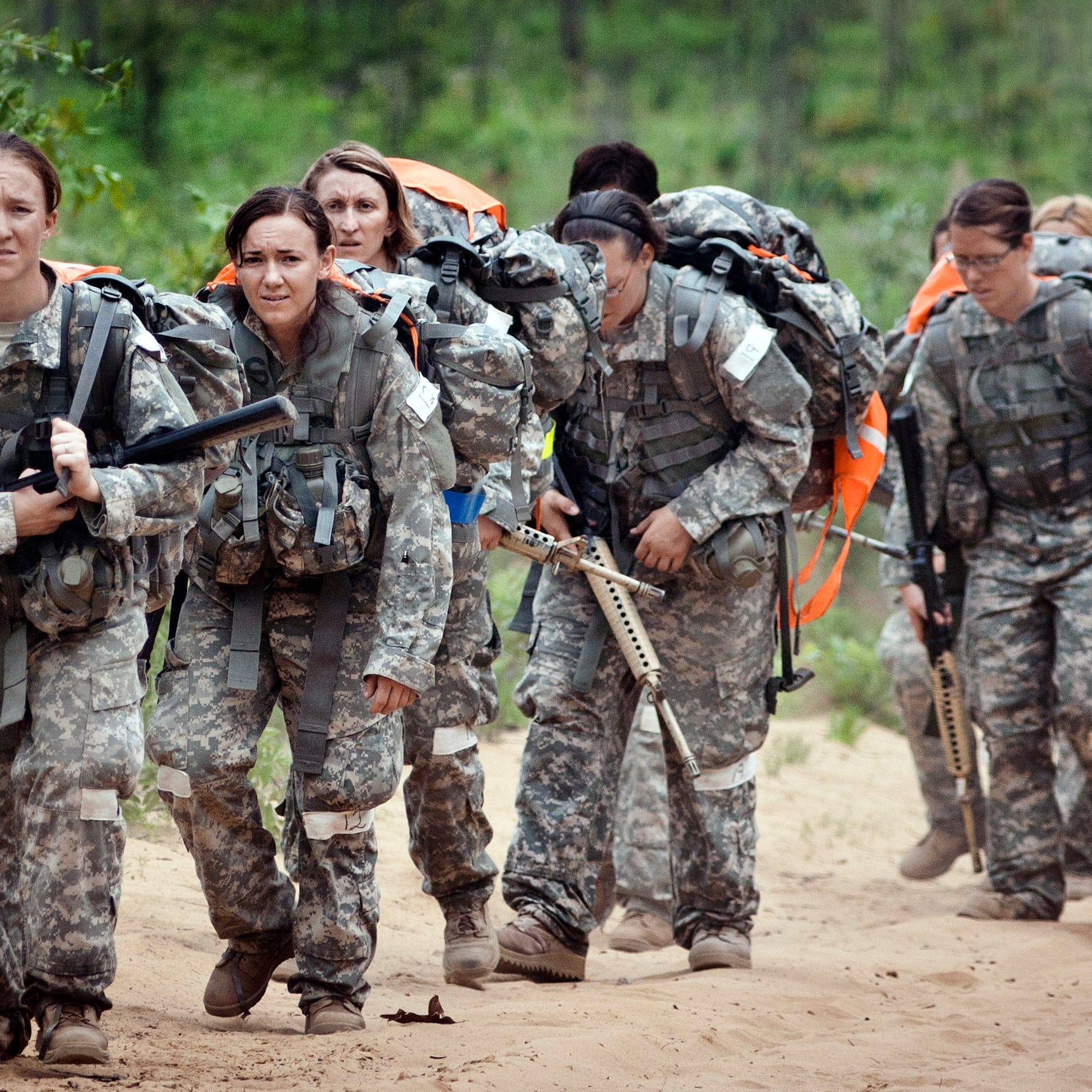
The 2015 USMC GCEITF was a good start but shorter (months of prep, weeks of testing), more task-oriented, and not fully sustained free-play.
Ongoing 2026 Pentagon/IDA review (launched January 2026, 6-month duration) examines post-2015 integration data (effectiveness, standards, lethality) but relies on observational/real-world data rather than a new controlled experiment like yours.
No nation has publicly run exactly this company-level, multi-week, free-play design—my proposal fills a gap for high-fidelity validation.
Overall, my concept aligns closely with what experts (including critics of integration) have called for: rigorous, realistic, unit-level testing under combat-like stress to inform policy without relying solely on anecdotes or short-term proxies. It would provide the most definitive data yet on whether integration compromises infantry effectiveness or if adaptations/training close gaps sufficiently.
Endnotes:
United States Marine Corps, Ground Combat Element Integrated Task Force Experimental Assessment Report (Quantico, VA: Marine Corps Operational Test and Evaluation Activity, 2015). This is the primary official assessment documenting the year-long experiment’s results, including performance metrics where all-male units outperformed mixed-gender units in most areas. https://www.govinfo.gov/content/pkg/GOVPUB-D214-PURL-gpo126514/pdf/GOVPUB-D214-PURL-gpo126514.pdf.
Center for Military Readiness, Interim CMR Special Report – Part II: US Marine Corps Research Findings from the Ground Combat Element Integrated Task Force (GCEITF) (Livonia, MI: Center for Military Readiness, December 2015). This analyzes GCEITF data in detail, highlighting higher injury rates in mixed units and performance gaps. https://www.cmrlink.org/data/Sites/85/CMRDocuments/InterimCMRSpecialReport-PartII_122015.pdf.
Agnes Gereben Schaefer et al., Implications of Integrating Women into the Marine Corps Infantry (Santa Monica, CA: RAND Corporation, 2015). This comparative study reviews foreign militaries’ experiences and implications for U.S. integration, concluding feasibility with proper implementation. https://www.rand.org/pubs/research_reports/RR1103.html (full PDF: https://www.rand.org/content/dam/rand/pubs/research_reports/RR1100/RR1103/RAND_RR1103.pdf).
Aharon S. Finestone et al., “Evaluation of the Performance of Females as Light Infantry Soldiers,” BioMed Research International 2014 (2014): Article ID 572953. Longitudinal IDF study on women in light infantry roles, finding successful performance with some attrition and gaps mitigated by training. https://pmc.ncbi.nlm.nih.gov/articles/PMC4151859/.
Gordon B. Dahl, Andreas Kotsadam, and Dan-Olof Rooth, “Does Integration Change Gender Attitudes? The Effect of Randomly Assigning Women to Traditionally Male Teams,” NBER Working Paper No. 24351 (National Bureau of Economic Research, February 2018; revised versions 2018–2020). This Norway military boot camp study (random assignment of women to squads) found no negative impact on male performance, satisfaction, or cohesion, with positive attitude shifts. https://www.nber.org/papers/w24351 (summary coverage: https://www.stripes.com/news/2018-03-13/norway-basic-training-study-concludes-unit-cohesion-unaffected-by-adding-women-1506201.html).
Vanessa A. Brown et al., ““Proud, brave, and tough”: Women in the Canadian Combat Arms,” Frontiers in Sociology 9 (2024): Article 1304075. Qualitative study on Canadian servicewomen’s experiences, concluding positive contributions to effectiveness, diversity, and collective intelligence without compromising combat capability. https://pmc.ncbi.nlm.nih.gov/articles/PMC11129680/.
Gerhard Kümmel, “The Bundeswehr and Female Soldiers: The Integration of Women into the Armed Forces (2000–2015),” Connections: The Quarterly Journal 15, no. 1 (Winter 2016): 71–92. Overview of German integration post-2001, noting satisfactory results, gradual cultural acceptance, and no major effectiveness impairments despite challenges like harassment. https://connections-qj.org/article/bundeswehr-and-female-soldiers-integration-women-armed-forces-2000-2015.
Additional contextual sources referenced:
NPR Staff, “Pentagon to Review Women in Ground Combat Positions,” NPR, January 6, 2026. Reports on the ongoing six-month DoD review (launched January 2026) of women’s effectiveness in ground combat roles. https://www.npr.org/2026/01/06/nx-s1-5667583/pentagon-review-women-in-ground-combat-roles.
Hope Hodge Seck, “DOD Launches Review of ‘Effectiveness’ of Women in Ground Combat Roles,” Navy Times, January 7, 2026. Additional coverage of the 2026 Pentagon initiative. https://www.navytimes.com/news/pentagon-congress/2026/01/07/dod-launches-review-of-effectiveness-of-women-in-ground-combat-roles/.
Start Task and Purpose Article:
“Pentagon orders review on ‘effectiveness’ of women in combat arms jobs”
Pentagon officials ordered a review of the “effectiveness” of women serving in combat after a ratcheting up of rhetoric around “sex neutral” fitness standards.
Published Jan 6, 2026 12:05 PM EST
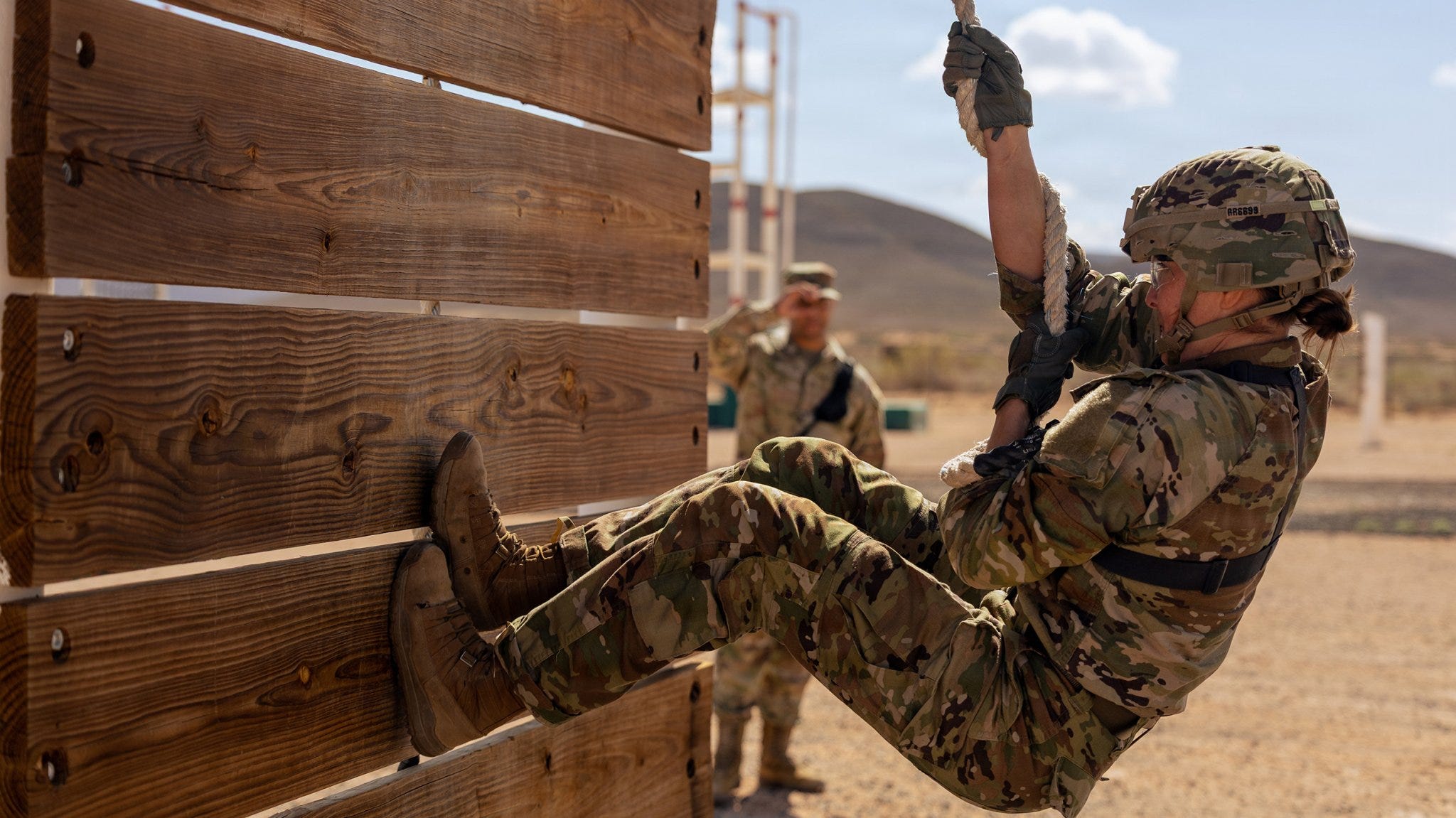
Pentagon leaders are directing a review of the “effectiveness” of women in combat arms jobs — a move that comes nearly a decade after women got the right to serve in these roles.
Pentagon Press Secretary Kingsley Wilson told Task & Purpose in a statement that the Institute for Defense Analyses is reviewing the “effectiveness” of women in ground combat roles. The Pentagon memo, originally reported by NPR and confirmed by Task & Purpose, calls for the Army and Marine Corps to submit data on ground combat troops’ readiness, training, casualties and deployability.
“Our standards for combat arms positions will be elite, uniform, and sex neutral because the weight of a rucksack or a human being doesn’t care if you’re a man or a woman. Under Secretary Hegseth, the Department of War will not compromise standards to satisfy quotas or an ideological agenda — this is common sense,” Kingsley said.
Per Wilson’s comments, the review will be conducted by the Institute of Defense Analyses, a nonprofit that does research and analysis for the Defense Department.
In 2015, Department of Defense officials lifted the ban on women in combat jobs after years of women asking to serve in those positions. The Pentagon is now looking to assess what that “effectiveness” has looked like over the last 10 years.
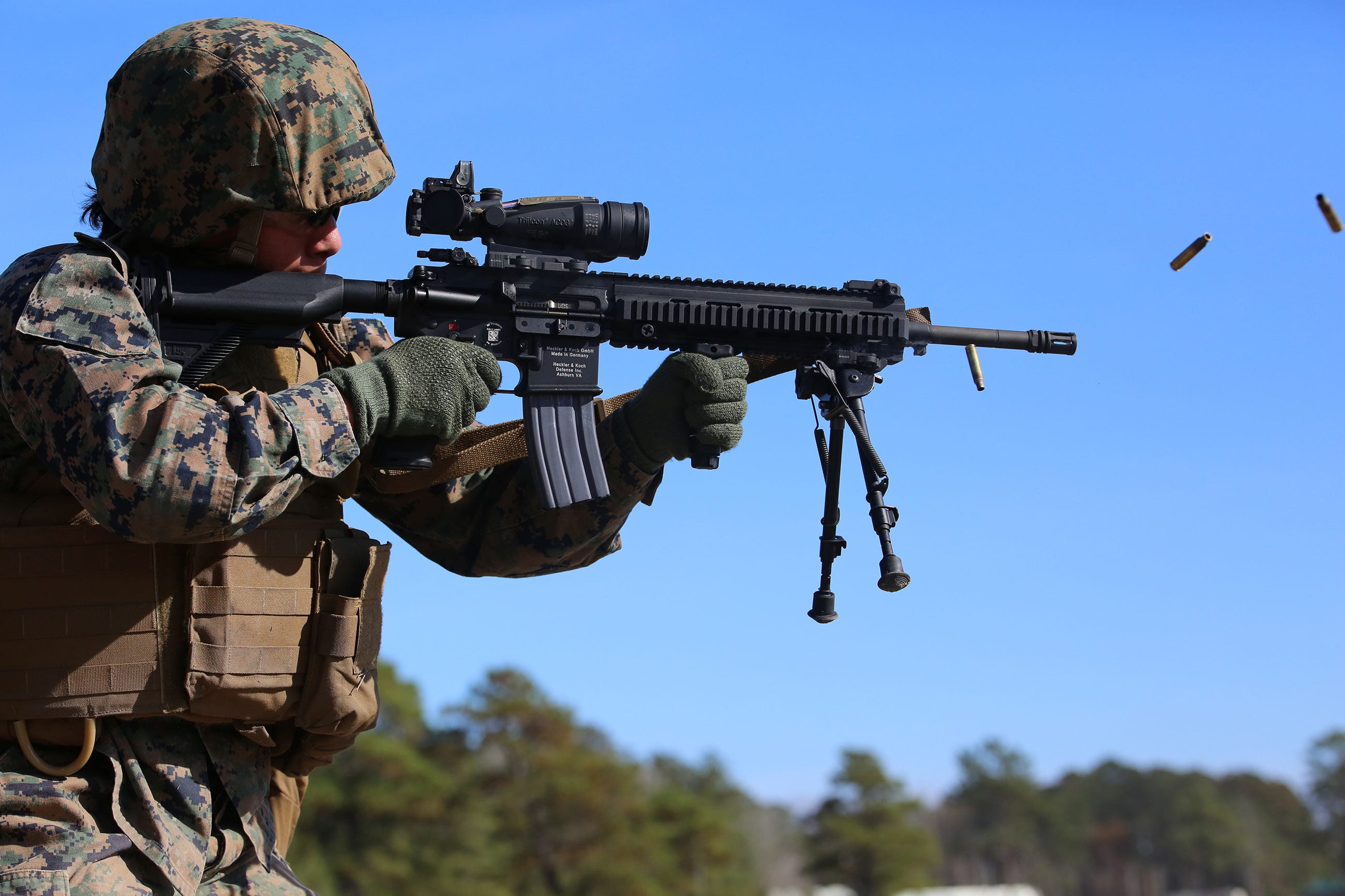
The issue has been a point of contention looming over the Secretary of Defense Pete Hegseth, a combat veteran with tours in Iraq and Afghanistan, who came out with strong opinions on women in combat before he took the helm of the Pentagon. In his book “The War on Warriors: Behind the Betrayal of the Men Who Keep Us Free,” Hegseth said the integration of women into combat roles is “modern confusion about the goals of war,” and a progressive political effort “to be chivalrous and inclusive.”
His book further questions the historic role of women in combat.
“Unlike the mythologies of great Amazonian warriors in the Greek mythologies, most of the world’s accounts of women at war were connected to seductive and sexual power,” he wrote.
Then in November 2024, Hegseth said on the Shawn Ryan podcast that the U.S. “should not have women in combat roles,” and that it “hasn’t made us more lethal.” Two months later, at his Senate confirmation hearing, Hegseth appeared to lessen his stance to instead be that women should serve in combat jobs if they can meet the same standards as men.
According to NPR, approximately 3,800 women serve in the Army’s infantry, armor and artillery fields, and roughly 700 women serve in ground combat jobs in the Marine Corps.
In March, Hegseth directed the services to develop “sex-neutral” physical standards for troops serving in combat arms. The movement has also filtered down to annual physical fitness exams with the Army’s newest test marketed as “sex neutral,” with women and men in combat jobs needing to hit the same run-time or weight targets to pass.
https://taskandpurpose.com/news/pentagon-review-women-combat/#:~:text=Pentagon%20officials%20ordered%20a%20review,%E2%80%9Csex%20neutral%22%20fitness%20standards.&text=05%20PM%20EST-,Pentagon%20officials%20ordered%20a%20review%20of%20the%20%E2%80%9Ceffectiveness%E2%80%9D%20of%20women,after%20those%20jobs%20were%20opened.
https://youtu.be/fy--whDNNKk
Gays, Girls, and Girly Men won’t win wars. Period.
Everyone knows that mixed gender combat arms will get people killed.
Why don’t women play for pro-sports football teams? Women can’t compete with men in pro-sports or combat.
If you have not watched the video below, please do.
General Robert H. Barrow, 27th Commandant of the Marine Corps testimony before the SASC on Women in Combat. June 1991.
General Barrow did not need a study. He lived combat in 3 wars.
Combat is not a few hour special operation in to Venezuela.
How many US Military women were on the ground on Operation Absolute Resolve?