Developing the Technology to Enable Maneuver Warfare and Mission Command, or Developing the Technology and Fitting a Doctrine to It? That Is the Question?
Technology is a tool; culture is destiny

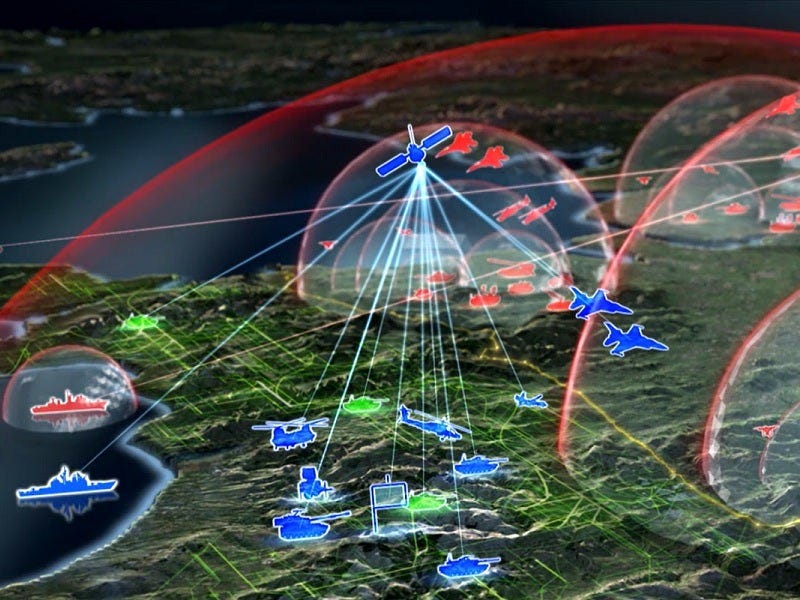
The U.S. military stands at a crossroads in 2026, a year marked by operational triumphs that mask deeper cultural inertia. The swift January 3 capture of Venezuelan President Nicolás Maduro in Operation Absolute Resolve—executed by elite U.S. special forces with minimal U.S. casualties and rapid extraction—demonstrated the lethal efficiency of decentralized, adaptive small-unit actions.
Similarly, the opening weeks of Operation Epic Fury against Iran in late February, featuring precision strikes on nuclear sites, ballistic missile infrastructure, and leadership targets (including the reported elimination of Supreme Leader Ali Khamenei in coordinated U.S.-Israeli operations), showcased overwhelming technological superiority and speed.
Good but not Good Enough
Yet, despite these glaring successes under the Trump administration’s emerging “anti-Powell Doctrine”—which prioritizes tailored, overwhelming force for leverage, surprise, and decisive outcomes without prolonged nation-building—the broader U.S. military culture remains firmly entrenched in Second Generation Warfare (2GW).

This culture, characterized by centralized control, inward focus on processes and synchronization, and an attrition-oriented reliance on firepower, (and most importantly, a personnel system stuck in the Industrial age) leads the U.S. to chase new technology first and then retrofit doctrine around it. The alternative—developing doctrine and mission command (Maneuver Warfare or Third Generation Warfare, 3GW) to solve tactical problems, then equipping elite units with enabling technologies—has repeatedly proven superior in history.
As William S. Lind and colleagues outlined in their seminal framework of the Generations of War, military cultures evolve (or stagnate) based on how they view the battlefield: 1GW emphasized linear order; 2GW stressed massed firepower and procedural perfection (inward focus on process and conformity); 3GW prioritizes speed, surprise, decentralization, and outward focus on the enemy; and 4GW involves non-state actors blurring war and peace through insurgency and cultural subversion. Finally 5GW focuses on the information age and information domination shaping minds.

The U.S. military, despite elite exceptions like special operations forces exhibiting 3GW traits, operates predominantly as a 2GW institution. This inward orientation—valuing obedience, detailed plans, and “putting steel on target” over initiative and adaptability—explains both the tactical brilliance of recent operations and the strategic shortcomings of the post-9/11 era. The Trump strategy and military doctrine now demand a cultural shift to a true 3GW force capable of winning 4GW conflicts. Without it, even advanced technology will yield only ephemeral victories.
